Turning TPMS service into a real profit center
TPMS is not a headache to eat, it is a service line most tire shops underprice or skip. Here is how to charge for it properly.
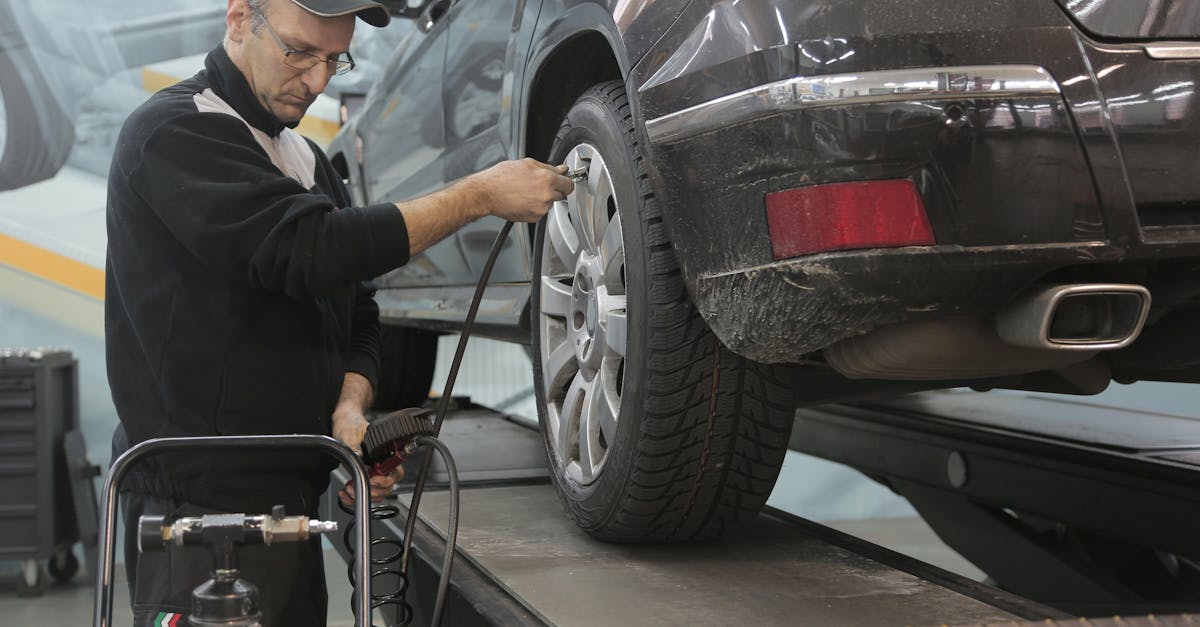 Andrea Piacquadio · Pexels
Ask most owners about TPMS and you get a sigh. Sensors that fail during a mount, relearns that take too long, customers who do not understand why the light is on, and the temptation to just wave it through so the car gets out the door. That reflex is costing you. Every vehicle in your bay from 2008 forward has a tire pressure monitoring system, and every one of those systems is a service you can charge for. The shops that treat TPMS as an expected part of the job, not an exception, are pulling real margin out of it.
Make service kits non-negotiable, not optional
The single biggest leak is skipping the service kit. The rubber grommet, valve core, cap, and nut on a TPMS sensor degrade, and reusing old hardware on a new set of tires is how you get a slow leak comeback and a chargeback on your labor. Build the service kit into every tire installation on a TPMS-equipped vehicle by default. It is a few dollars in parts, it prevents a comeback that costs you an hour of free labor, and the customer never questions it because they never see the old-versus-new comparison.
Price it as a line and let the counter explain it as cheap insurance against a leak. Framed that way, almost nobody declines.
Charge for the relearn, because it is labor
A relearn is real work. Some vehicles auto-learn by driving, many need a scan tool at the counter, and a few take a deliberate procedure per wheel. That is your tech’s time and your equipment. Bake a TPMS service charge into every job that touches the sensors, whether it is a full relearn or just confirming the system reads correctly before the car leaves. Letting the light go out on its own during a test drive is not a service you performed, it is a risk you accepted for free.
Turn the warning light into a sale
A TPMS light is a walk-in opportunity most shops treat as an annoyance. When someone comes in because the light is on, that is a diagnostic ticket: test each sensor, check for a dead battery in the sensor (they die at roughly five to ten years and cannot be recharged), and inspect for the slow leak that triggered it. Half the time you sell a sensor replacement, and often you sell a tire repair or a set alongside it.
Stock the common universal programmable sensors so you are not turning cars away waiting on a part. A good scan-and-program tool pays for itself fast, and it feeds your capture rate on every light that comes through the door.
Explain it so the customer values it
Customers resent charges they do not understand. Train the counter to say, in one sentence, what the system does and why it matters: it warns them before a soft tire becomes a blowout on the highway. Once they get that, the service charge reads as safety, not padding. For the equipment side, see our guide on POS and inventory software for tire shops, and keep an eye on the news feed for sensor coverage changes on newer models.
This guide is general information for independent tire shop owners, not legal or financial advice. Some outbound links may be affiliate or sponsored links, which are disclosed and never affect our recommendations.
Related guides
Get guides like this weekly
Join The Tire Shop Bench Weekly. One useful email a week, free.
Subscribe free